
Celebrating Nine Years of Growth and Innovation: The Impact of Startup India Mission
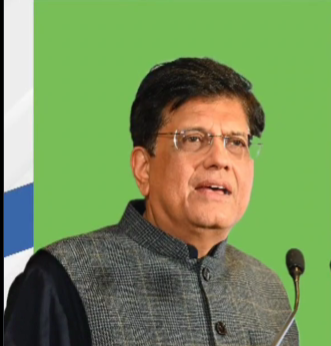
On its ninth anniversary, the Startup India mission continues to be a driving force behind India’s economic growth and innovation. Union Minister for Commerce and Industry, Piyush Goyal, lauded the initiative’s pivotal role in transforming India’s entrepreneurial landscape. The Minister emphasized that the success of Startup India could largely be attributed to crucial funding mechanisms, especially the Fund of Funds for Startups (FFS), which has catalyzed growth across various sectors and regions.
Empowering Startups with Funding and Support
The Fund of Funds for Startups (FFS), administered by the Small Industries Development Bank of India (SIDBI) and backed by the Government of India, has played a vital role in mobilizing private capital, particularly in Tier II and Tier III cities. This focus on regional growth has allowed startups to scale their operations and contribute meaningfully to the nation’s economy.
In his address, Piyush Goyal highlighted how these funding mechanisms have fueled startup growth, empowering them to innovate and expand. He underscored the importance of private equity (PE) and venture capital (VC) in providing startups with the financial backing and global expertise necessary for success. According to Goyal, this collaboration not only accelerates innovation but also enables startups to compete on the international stage.
One of the standout initiatives of the government in this regard is the BHASKAR platform, designed to connect startups with mentorship, financial tools, and collaborative opportunities across the country. This ecosystem of support has helped Indian startups build resilience, overcome challenges, and stay competitive.
Startups as Agents of Change
Indian startups have emerged as powerful agents of change, addressing some of the nation’s most pressing issues, including sustainability, renewable energy, healthcare, and digital transformation. “Through their innovation and resilience, they are shaping a better future for all of us,” said Goyal, emphasizing the transformative impact of these young companies.
India’s startup ecosystem has shown tremendous growth, with a remarkable 76 Initial Public Offerings (IPOs) in 2024 alone. As of January 15, 2025, the country boasts 1,59,157 startups—a massive leap from around 500 in 2016. This growth has resulted in the creation of 17.2 lakh direct jobs, demonstrating the profound economic contribution of startups.
India’s Startup Ecosystem: A Global Leader
India now ranks as the third-largest startup ecosystem globally, a testament to the success of initiatives like Startup India. With a growing number of startups, funding of Rs 13 trillion from the government, and increasing participation from private investors, India is becoming a global leader in innovation and technology-driven growth.
Piyush Goyal reaffirmed the government’s commitment to fostering an environment where startups can thrive. From technological sectors such as digitech and artificial intelligence to policy-driven initiatives, the government has positioned India as a leader in the global startup arena. “We are committed to providing support in terms of policies, infrastructure, and capital to ensure the continued growth of India’s startup ecosystem,” he said.
The Role of Women in India’s Startup Revolution
An important aspect of India’s startup journey has been the increasing participation of women in entrepreneurship. Goyal pointed out that 43% of STEM graduates in India are women, underlining their critical role in driving innovation and growth. He highlighted initiatives like the Women Entrepreneurship Platform, which empowers women-led startups, furthering India’s vision of inclusive growth.
Looking Ahead: A New Phase of Innovation
As India enters a crucial phase of development with strong macroeconomic fundamentals, Goyal emphasized the essential role startups will play in achieving the nation’s long-term goals. These companies will be at the forefront of realizing a self-reliant, inclusive, and globally competitive India in the coming decades.
The Startup Mahakumbh and the Bharat Startup Grand Challenge
The anniversary event also served as a curtain raiser for the second edition of the Startup Mahakumbh, scheduled for April 2025. This grand event will feature over 2,500 startups, further solidifying India’s role as a global hub for entrepreneurship. Additionally, the government launched the PRABHAAV Factbook, offering a comprehensive overview of India’s startup ecosystem and its evolution from 2016 to 2024.
Moreover, the Bharat Startup Grand Challenge was unveiled, aiming to address 75 challenges across diverse sectors such as renewable energy, blockchain, agritech, and smart manufacturing. This challenge will provide startups with opportunities for procurement, cash prizes, mentorship, funding, and networking, enabling them to further scale their impact and contribute to India’s growth story.
Conclusion
The ninth anniversary of the Startup India mission marks a significant milestone in India’s journey toward becoming a global leader in innovation and entrepreneurship. Through a combination of robust funding, supportive policies, and a collaborative ecosystem, the country’s startup sector has flourished. As the government continues to strengthen its commitment to fostering entrepreneurial growth, India is well-positioned to maintain its upward trajectory in the years to come, driven by the ingenuity and resilience of its startups.