India’s Diplomacy in the Modern Era: Maximizing Friendships, Minimizing Challenges
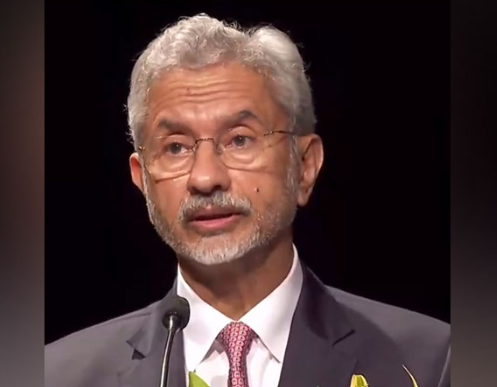
In a recent address at the 19th Nani A Palkhivala Memorial Lecture, External Affairs Minister S. Jaishankar provided a comprehensive overview of India’s evolving foreign policy and diplomatic approach. Speaking on January 18, 2025, Jaishankar highlighted the complexities and opportunities India faces on the global stage, emphasizing the importance of strategic autonomy, international cooperation, and internal growth.
Jaishankar began by discussing the increasing challenges posed by the “weaponization of market instruments and financial institutions,” noting that India’s rise in such unpredictable circumstances requires a focused strategy. He outlined that India must accelerate its domestic growth and modernization while simultaneously managing external risks. This can be achieved through political stability, inclusive growth, and ongoing reforms, particularly in key sectors such as manufacturing, food, and health security. By building internal strengths, Jaishankar stressed that India could become more competitive in the global arena.
The EAM further emphasized the need for strategic autonomy in India’s foreign relations, asserting that India’s stance is neither aligned with the West nor against it. Rather, its strategic interests ensure that it maintains a balanced approach that serves its national interests without antagonizing any global power.
On the subject of India’s international image, Jaishankar highlighted the country’s diplomatic philosophy of “maximizing friendships and minimizing problems.” Drawing from India’s tradition of openness, he described the nation’s role as that of the “Vishwabandhu,” a reliable partner and dependable friend on the world stage. He explained that India’s diplomatic efforts focus on advancing multiple relationships, ensuring that none are exclusive while simultaneously bridging polarized divides.
A central theme of Jaishankar’s speech was India’s growing engagement with regional players and middle powers. He noted that a conscious effort is being made to deepen ties with these nations, contributing to India’s expanding diplomatic profile, particularly in regions such as the Gulf, Africa, and the Caribbean. He identified the concept of “three mutuals”—mutual respect, mutual sensitivity, and mutual interest—as the cornerstone of India’s foreign policy.
Jaishankar also pointed to several key initiatives that have reinforced India’s standing on the global stage. These include the International Solar Alliance, the Coalition for Disaster Resilient Infrastructure (CDRI), the Global South Summit, India’s G20 presidency, and its proactive role in supplying COVID-19 vaccines worldwide. Each of these efforts underscores India’s commitment to global cooperation and its ability to play a pivotal role in addressing pressing global challenges.
In conclusion, Jaishankar’s remarks underscored India’s strategic approach to foreign policy in a rapidly changing world. By focusing on strengthening internal capabilities, building diverse international partnerships, and upholding the values of mutual respect and cooperation, India is poised to enhance its global influence while navigating the complexities of modern diplomacy.